
St Martin'sCE Primary School
Handwriting at St Martin's
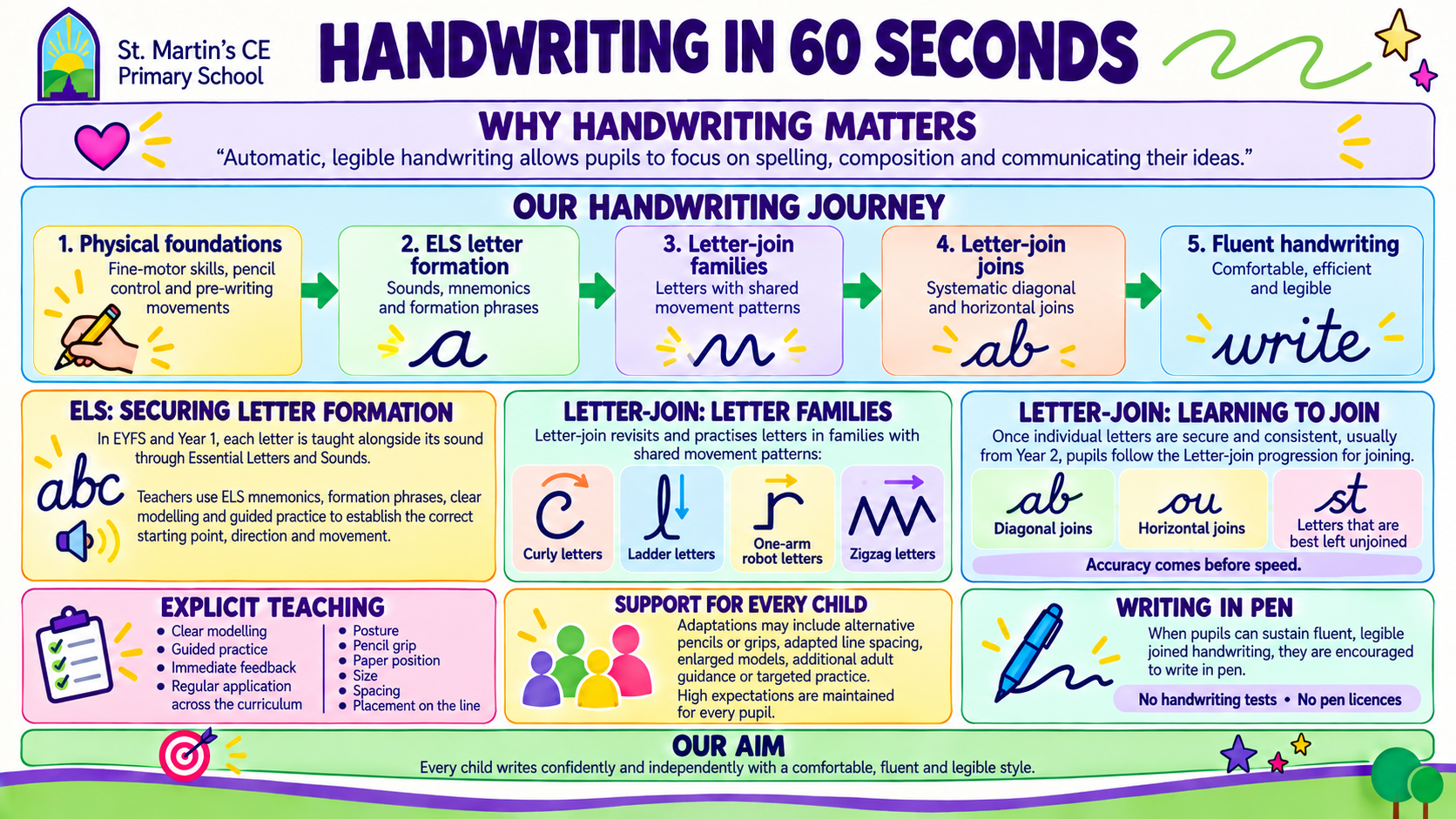
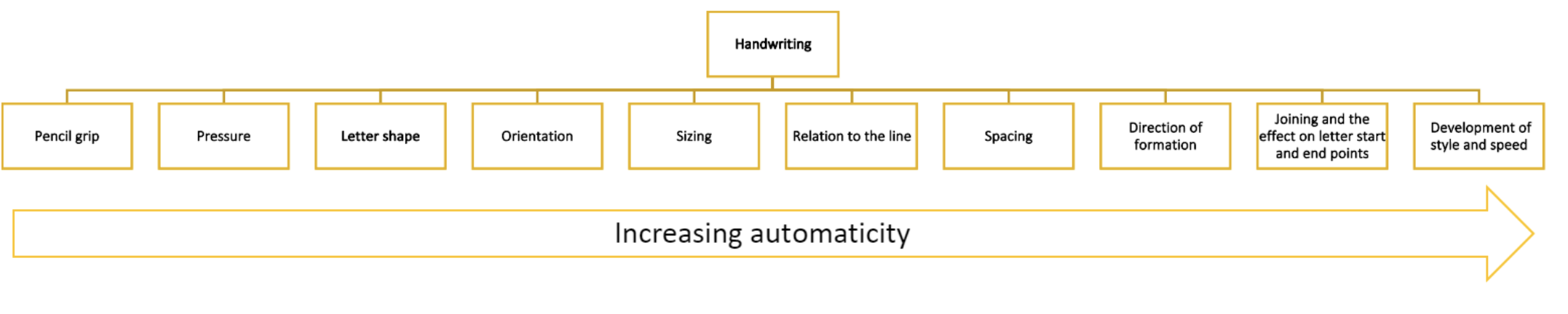
At St Martin’s CE Primary School, we believe that fluent, legible handwriting is essential for effective written communication. When handwriting becomes automatic, pupils can focus their attention on spelling, composition and communicating their ideas rather than the physical act of writing.
Our approach begins in EYFS with the development of the physical foundations needed for successful handwriting, including fine-motor strength, pencil control, directionality and pre-writing movements.
As pupils begin our Essential Letters and Sounds phonics programme, they are taught how to form each letter alongside its corresponding sound. ELS mnemonics and formation phrases help children remember the correct starting point, direction and movement of each letter. Teachers provide clear modelling, guided practice and immediate feedback so that inaccurate habits do not become established.

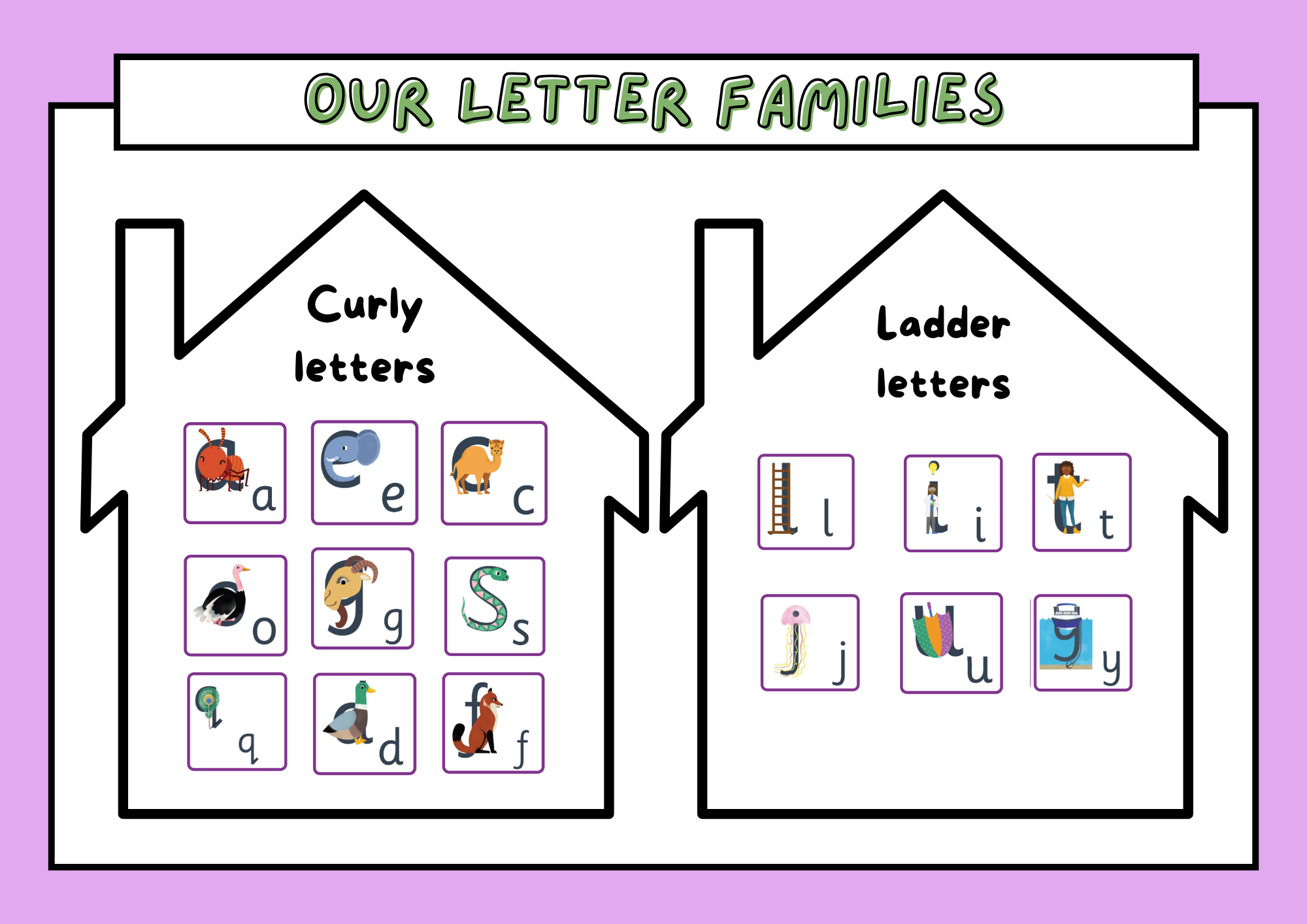
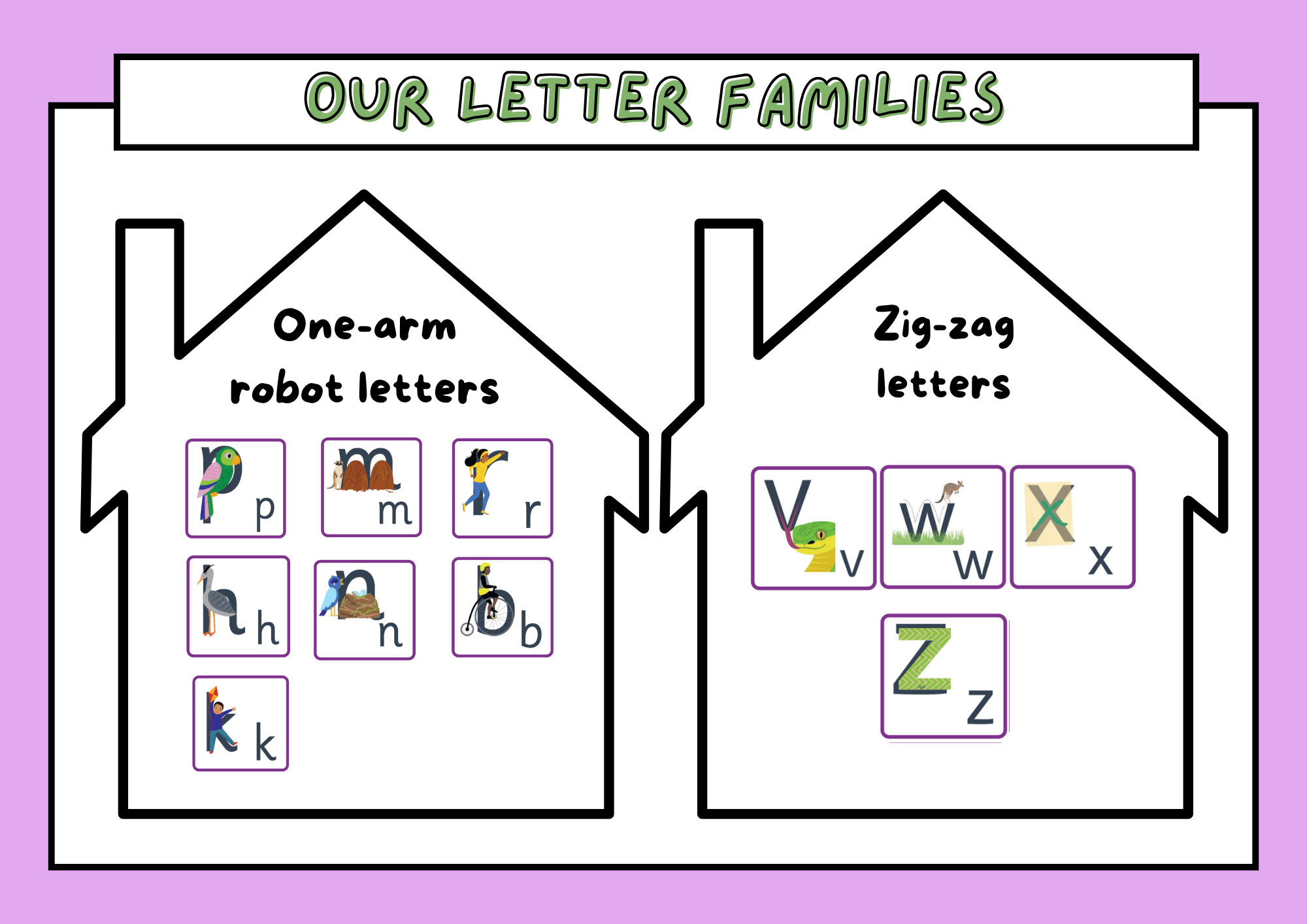
Letter-join is then used to revisit, practise and develop these foundations through a clear progression from EYFS to Year 6. Pupils practise letters within families that share similar movement patterns: curly letters, ladder letters, one-arm robot letters and zigzag letters. They learn to form letters accurately before developing consistent size, orientation, spacing and placement on the line.
Once pupils can form individual letters securely and consistently, usually from Year 2, they begin to follow the Letter-join progression for joining. Diagonal and horizontal joins are introduced systematically, alongside explicit teaching about which letters are best left unjoined. Accuracy is prioritised before speed so that pupils gradually develop handwriting that is fluent, efficient and legible.
Handwriting is taught explicitly and practised regularly. Teachers model correct formation, posture, pencil grip and paper position, while pupils are given frequent opportunities to apply their handwriting across the curriculum. When a pupil can sustain fluent and legible joined handwriting, they are encouraged to write in pen.
We do not use handwriting tests or pen licences.
Inclusion
We maintain high expectations for every pupil while recognising that some children require additional support. Adaptations may include
- Alternative pencils or grips,
- Adapted paper and line spacing,
- Enlarged models,
- Additional adult guidance or targeted practice.
Our aim is for every child to develop a comfortable, fluent and legible style of handwriting that enables them to write confidently and independently.